Herbal Allies For Nervous System Health
Written by Tiernee Schatz, ATR-BC, LPC, NCC, CCTP
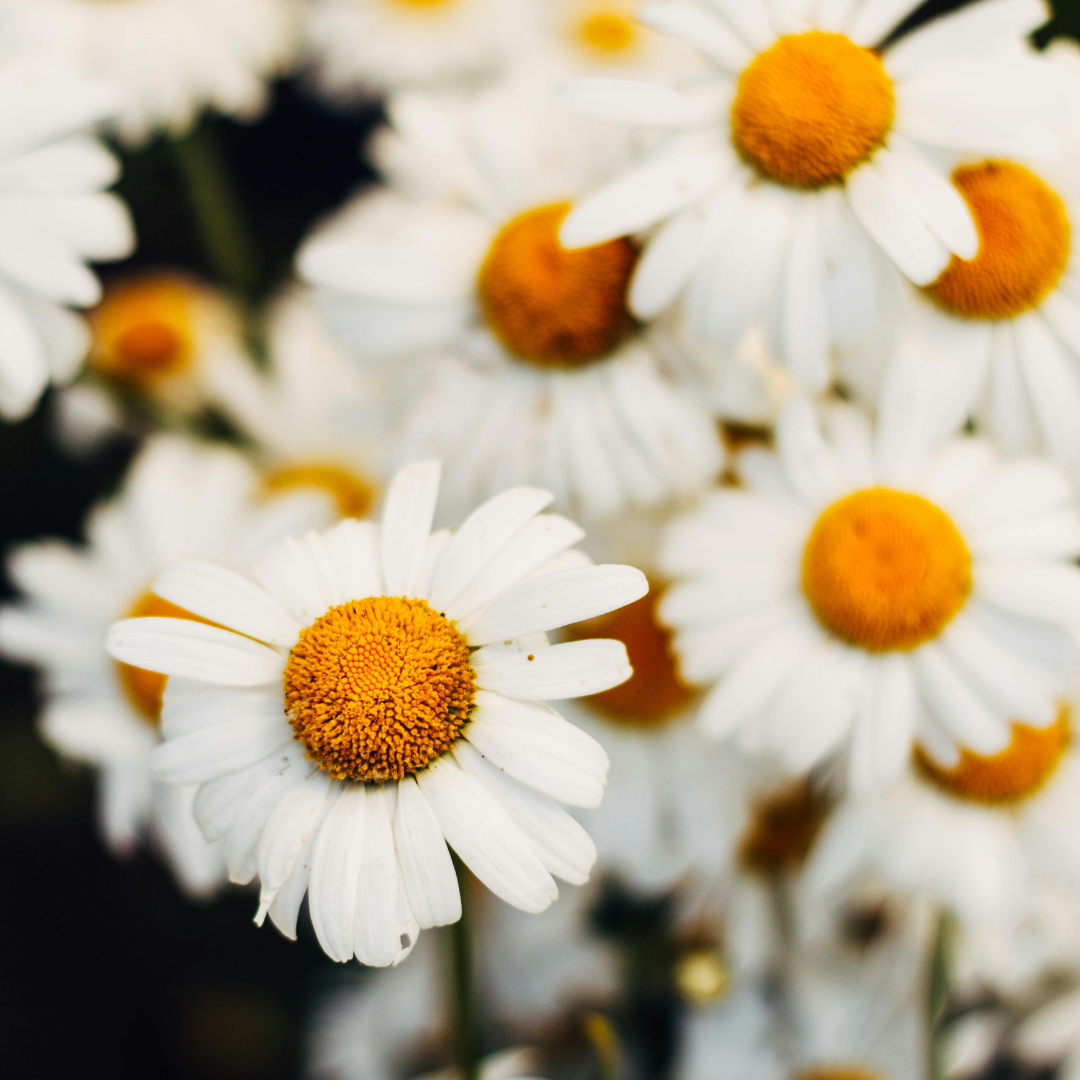
In some Native languages, the term for plants translates to,
"Those who take care of us”.
~Robin Wall Kimmerer, Braiding Sweetgrass
How sweet is that?! So sweet. If you’ve read my previous posts, you know I am all in on holistic mental health and embrace nervous system health as a key component to many of the mental health struggles we face. Symptoms of Anxiety, Depression, and PTSD are all rooted in a dysregulated nervous system and certain plants can help create an internal environment where the nervous system can recalibrate and heal. This post focuses primarily on chronic stress and trauma, both of which can come with depression and anxiety symptoms. I will introduce you to supportive herbal allies, the ways in which they care for us, and how to enjoy them. I also touch on how these herbs and the ritual of taking herbs in general can be a powerful and purposeful part of your work in therapy.
When the Nervous System is Always On
There’s a particular kind of exhaustion many people carry right now. It’s not just physical fatigue. It’s the feeling of being activated and depleted at the same time. You wake up tired but alert. Your mind races, even when your body wants rest. Small stressors feel disproportionately overwhelming. You crave quiet, yet struggle to settle. Many people describe this as “wired but tired.”
Modern stress is rarely brief or episodic. Instead of a single surge of adrenaline followed by recovery, we live inside low-grade, persistent activation:
Constant notifications
Financial pressure
Caregiving demands
Social and political uncertainty
Chronic health concerns
Subtle but ongoing emotional strain
The nervous system was designed for cycles, activation followed by rest. For many of us, the “off switch” feels harder to access. If you feel constantly activated, depleted, or emotionally raw, your nervous system may be working overtime. And you are not broken for feeling that way.
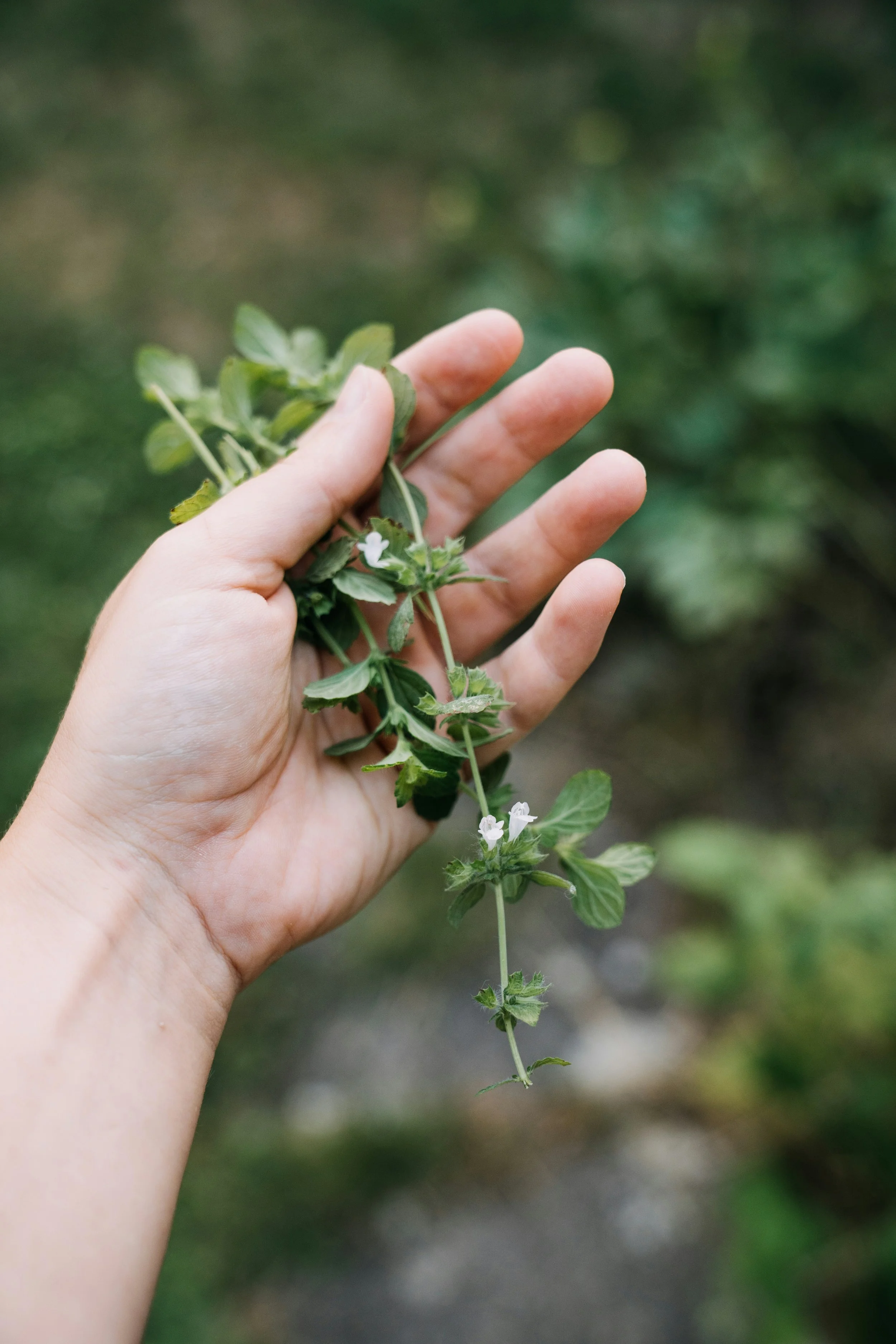
From an herbal perspective, we might think of this as:
The adrenals under sustained demand
The heart-mind overstimulated
The body struggling to complete the stress cycle
From a nervous system lens, this can look like:
Difficulty relaxing
Shallow breathing
Irritability or tearfulness
Brain fog paired with restlessness
Sleep that doesn’t feel restorative
This pattern is increasingly common not because individuals are failing, but because modern life often outpaces biological rhythm.
Herbal support can gently nourish, regulate, and strengthen the nervous system over time. Herbs do not erase trauma or eliminate stress. They do not override the need for therapy, relational repair, or systemic change. But they can help the nervous system experience small moments of safety.
A slightly deeper breath.
A softer jaw.
A longer exhale.
A more settled night of sleep.
And these micro-moments matter.
Because healing often begins not with dramatic breakthroughs, but with tiny, repeated experiences of regulation.
In the next sections, we’ll explore plant allies that can gently support a nervous system that has been asked to carry too much, for too long.
Herbs for the nervous system
When stress becomes chronic, the goal is not sedation, it’s regulation. We’re not trying to force the nervous system to shut down.
We’re trying to help it remember how to cycle back to a neutral baseline. In Western herbalism, certain plants are known as nervines, herbs that tone, nourish, and steady the nervous system over time. Below are 5 classic plants that take care of us through direct and indirect support.

Milky Oats (Avena sativa)
Fresh milky oat tops are considered one of the most deeply restorative nervines. Milky oats are often described as trophorestorative, helping rebuild nervous system resilience over time. They are not stimulating, nor are they sedating. Instead, they nourish and attune. They are harvested when oat tops are still green and produce a “milky” substance when squeezed.
Energetic picture:
Depletion after prolonged stress
Burnout
Emotional fragility
Feeling “thin-skinned”
Exhaustion that sleep doesn’t fix
Best suited for:
Long-term stress
Post-illness recovery
Students, caregivers, clinicians
Those who feel both tired and easily overwhelmed
Milky oats work slowly and gently. Think in terms of weeks, not days. They are often taken in tincture form as the alcohol preserves the “milky” potency of the oats best. However, a milky oat tea infusion can also be beneficial. Infusions are teas that are steeped for long periods of time (4-12 hours), before straining plant material.
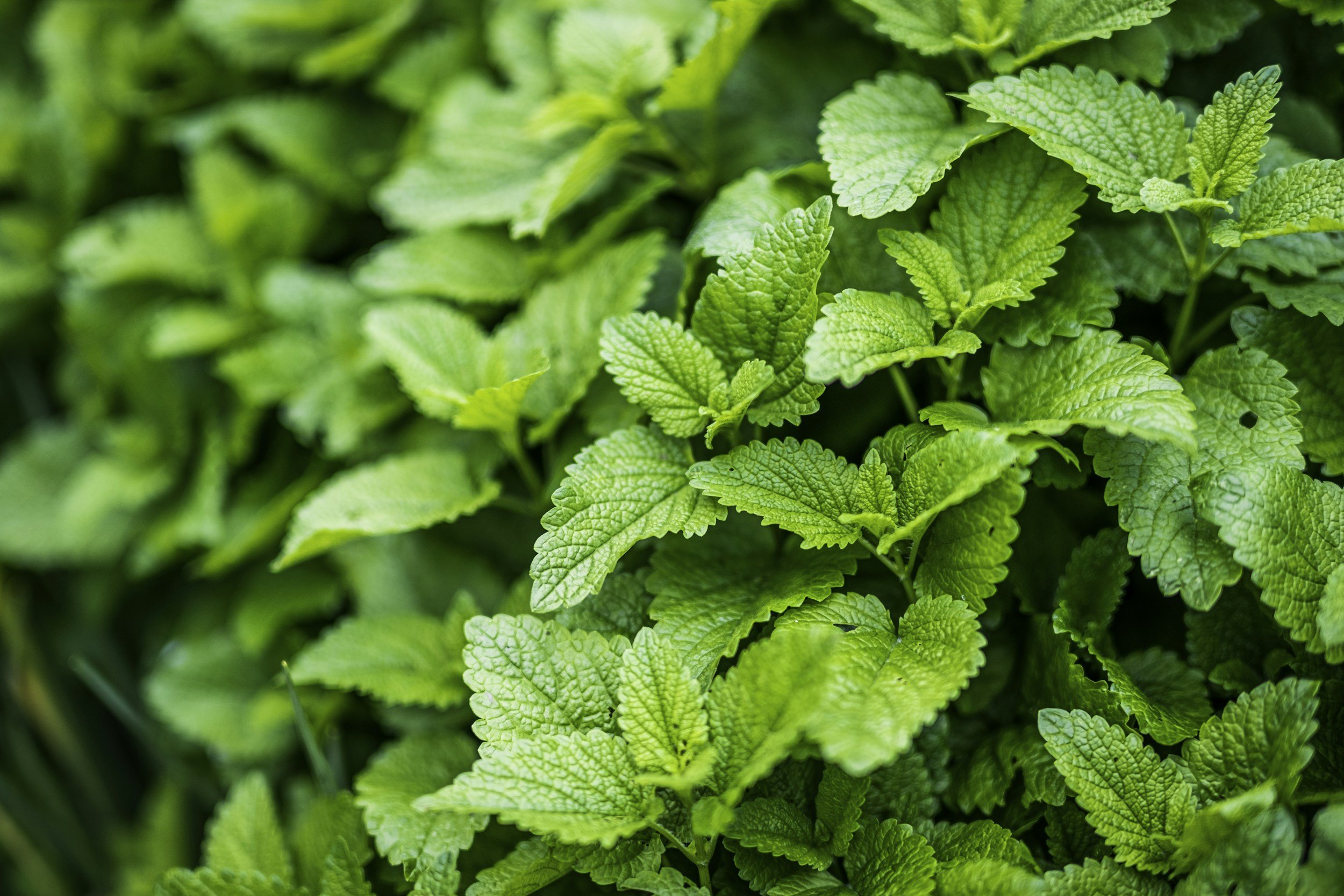
Lemon Balm (Melissa officinalis)
Bright, aromatic, and uplifting, lemon balm is a classic for stress that lives in the mind and gut. Lemon balm has mild calming properties while also being subtly mood-elevating. It is particularly helpful when anxiety and digestive discomfort are intertwined. Unlike heavier sedatives, lemon balm can often be used during the day without causing drowsiness.
Energetic picture:
Restlessness
Tension with digestive upset
Stress-related bloating
Irritability
Low mood with anxiety
It shines for:
Overthinking
Stress headaches
Emotional agitation
Children and sensitive individuals
Lemon Balm is found in many tea blends and can be enjoyed throughout the day. It can even be used as a culinary herb in salads, vinaigrettes, and cold fruit salads. It is described as a bright, mild, and refreshing blend of lemon zest and subtle mint, with a slight, sweet, herbal undertone.
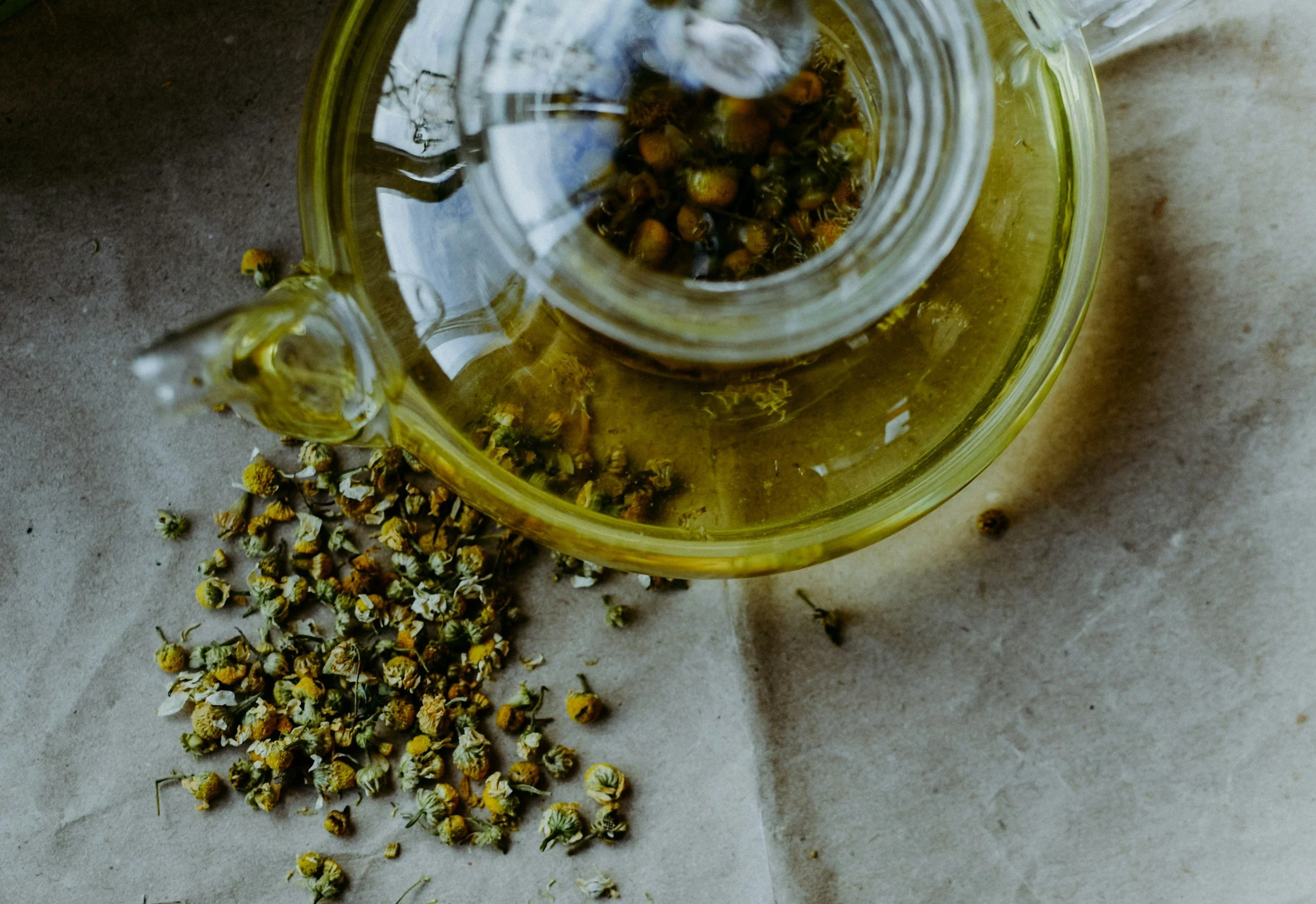
Chamomile (Matricaria chamomilla)
Chamomile is a well known digestive and nervous system ally, particularly when stress shows up as irritability or gut discomfort. Chamomile is mildly sedative, anti-inflammatory, and antispasmodic. It relaxes smooth muscle tissue, which makes it especially helpful for stress-related digestive tightness.
Energetic picture:
Frustration or snappishness
Tension in the belly
Stress-related indigestion
Difficulty settling children
Mild insomnia
It is often described as ideal for:
The “overworked and overtired”
Sensitive or emotionally reactive individuals
Children (in appropriate preparations and doses)
Chamomile is traditionally taken as a hot tea and carries a subtle bitter quality, supporting digestion while calming the mind, beautifully illustrating how the gut and nervous system are deeply intertwined.
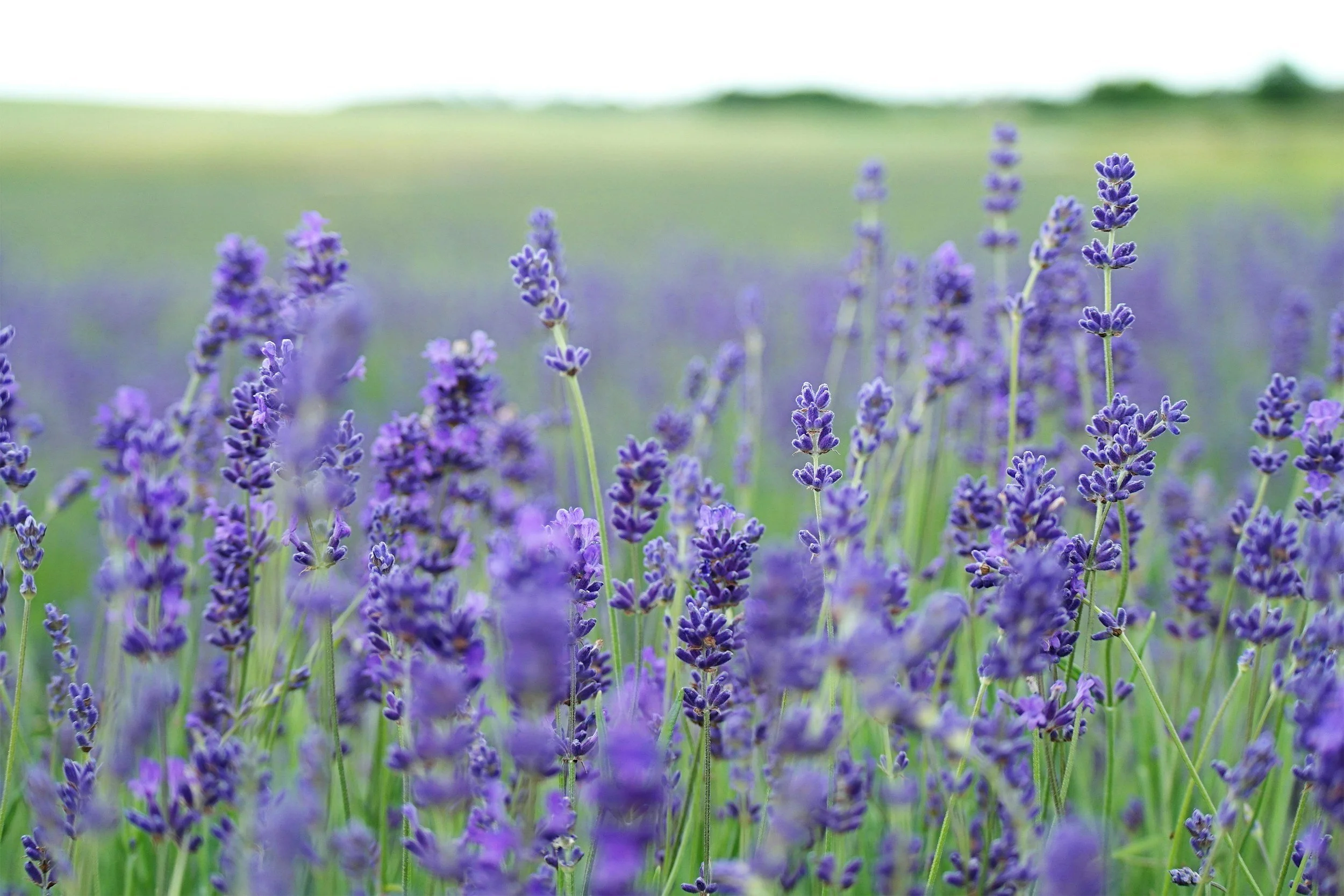
Lavender (Lavandula angustifolia)
Lavender is often underestimated because it’s familiar. But familiarity does not diminish potency. Lavender has well-documented calming effects on the nervous system. Aromatic compounds in lavender interact with the limbic system, the emotional center of the brain, which helps explain why scent alone can shift mood and physiological stress responses. Lavender tends to calm without heaviness. It doesn’t “knock you out”, it gently cues safety.
Energetic picture:
Restlessness at bedtime
Mental overactivity
Stress headaches
Irritability
Sensory overstimulation
It is especially helpful for:
Sleep initiation
Emotional agitation
Situational anxiety
Evening wind-down rituals
Lavender can be taken as a tea and is found in many blends, a tincture, or aromatically as an essential oil (properly diluted for topical use).
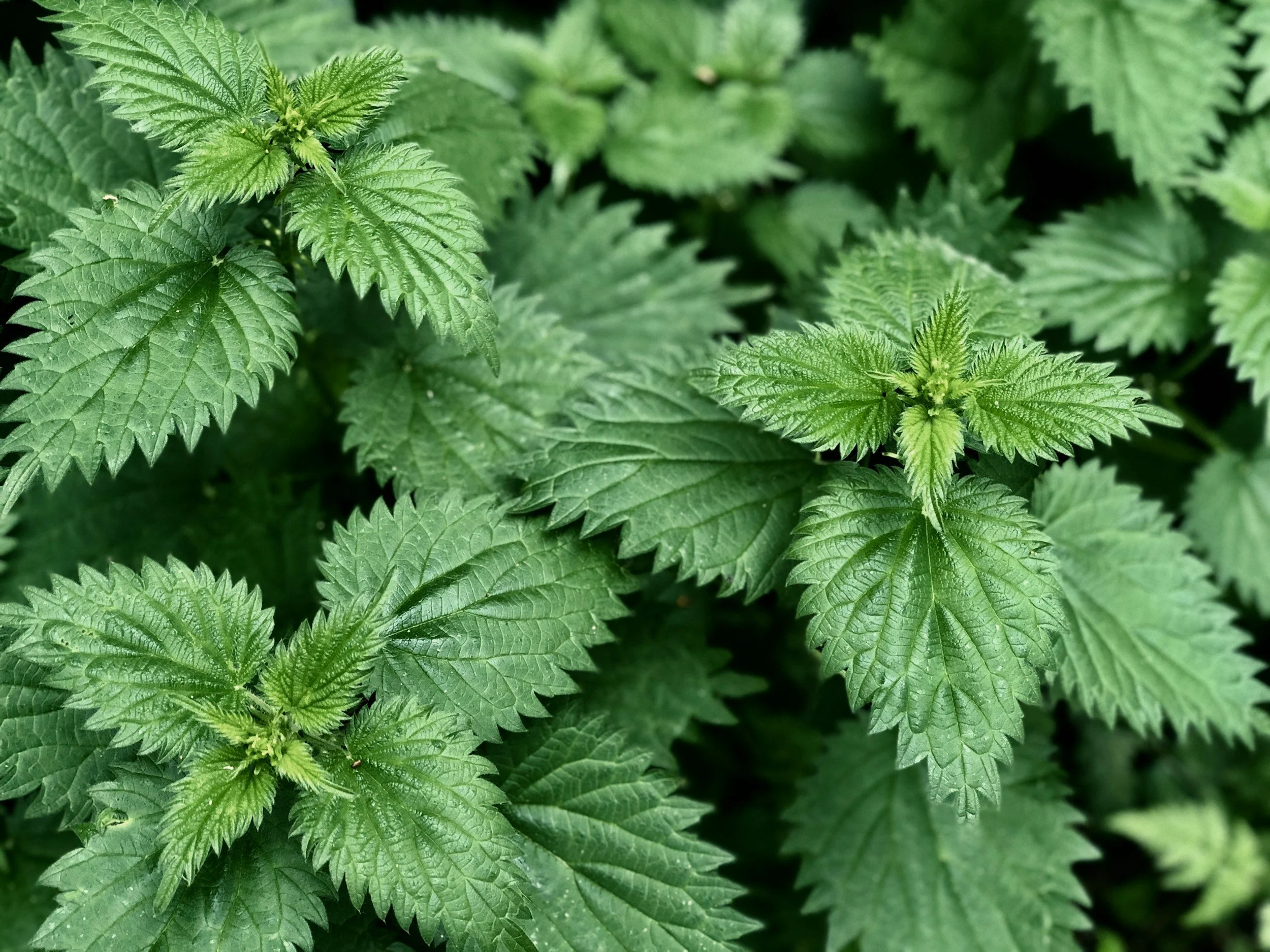
Nettle Leaf (Urtica dioica)
Chronic stress is not just emotional, it is also physiological and can deplete Magnesium, Iron, B vitamins and trace minerals. Nettle is rich in minerals and supports overall vitality nourishing the body in a way that can indirectly support nervous system resilience. While it won’t calm acute anxiety in the moment, it helps rebuild the soil in which the nervous system functions. No, it doesn’t sting! Nettle’s sting is lost both in the drying and steeping of the leaves. It tastes very “green” and after my first few infusions, I noticed my body started to crave it and I started to enjoy its flavor!
Energetic picture:
Fatigue with weakness
Stress combined with nutrient depletion
Heavy menstrual cycles contributing to low iron
Seasonal allergies with nervous irritability
Burnout layered with inflammation
Nettle works best as an infusion. An infusion again is a “tea” that is steeped for a long period of time (4-12 hours) before straining the plant matter. It can also be used as a food ingredient in soups, pestos, salads, dips and more!
Nettle leaf is generally very safe for most people.
Use caution if:
You are taking diuretics
You have kidney conditions
You are managing iron-related disorders
You are pregnant (consult a practitioner)
Herbs as Allies for Therapy work
Trauma therapy
When someone is engaged in trauma therapy, the nervous system is often learning how to revisit difficult material without becoming overwhelmed.
This process can temporarily increase activation:
Restlessness after sessions
Emotional waves
Fatigue
Irritability
Vivid dreams
In these moments, herbs are not “treating trauma.” They are supporting the physiology of regulation.
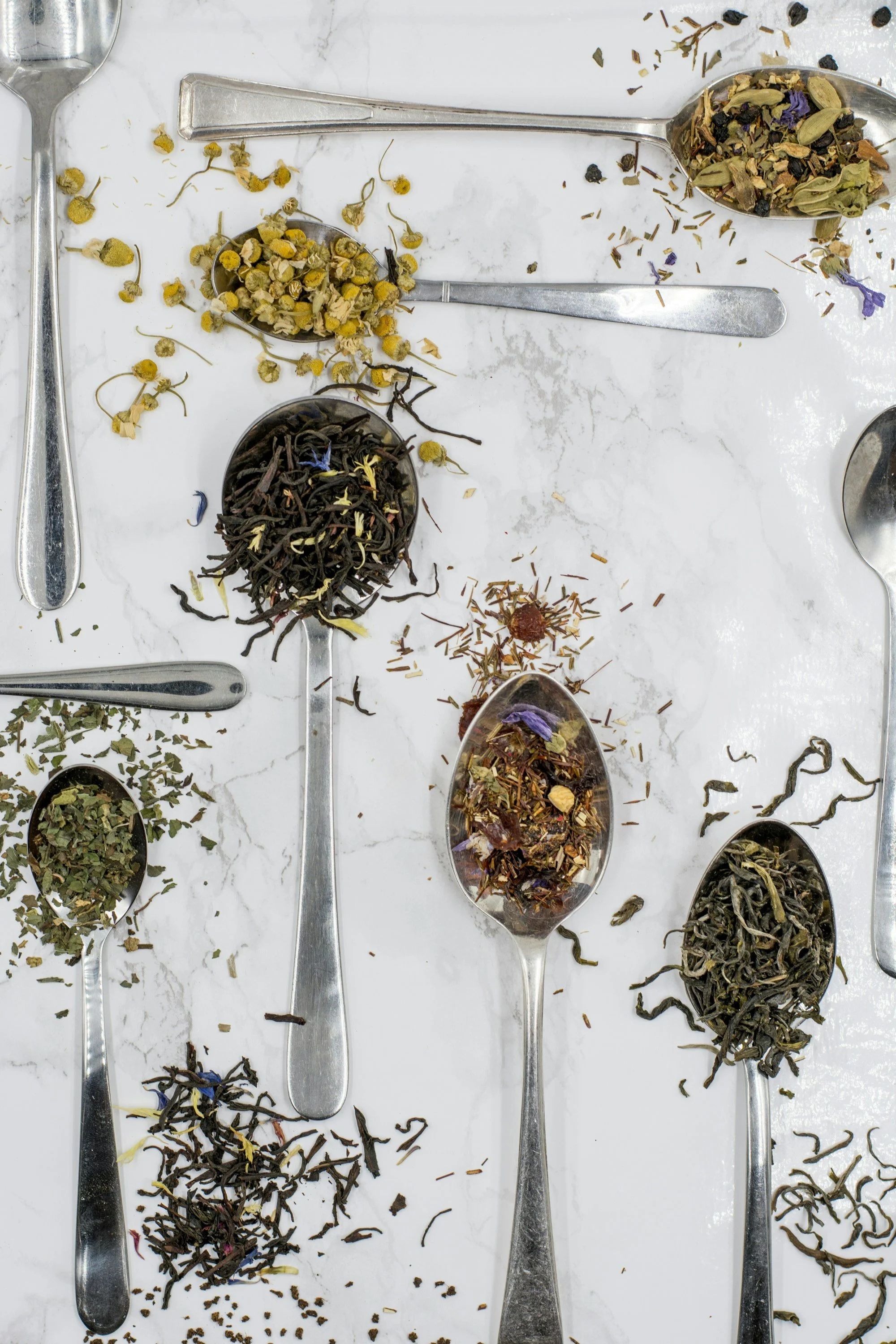
A cup of chamomile after a session.
Milky oats taken consistently over months.
Lavender before sleep when processing feels tender.
These small supports can help the body metabolize emotional work more sustainably. Herbs become companions to the process.
Supporting the Window of Tolerance
In trauma-informed therapy, we often talk about the “window of tolerance”, a concept developed by Dan Siegel. Within this window, we can experience emotion without becoming flooded (hyperarousal) or shut down (hypoarousal). Chronic stress narrows that window and the goal of therapy is often to widen this window so that we are able to tolerate and process our emotions that may be keeping us stuck and dysregulated.
Herbs may help widen it indirectly by:
Softening baseline activation
Supporting sleep
Reducing muscle tension
Nourishing depleted systems
For example:
Lavender may help prevent bedtime hyperarousal.
Lemon Balm and Chamomile may ease the body out of bracing.
Nettle and Milky Oats may strengthen long-term resilience.
Herbs do not replace therapeutic work, but they can help make this work more tolerable.

Ritual as Co-Regulation
There is something powerful about repetition.
The act of boiling water.
The scent rising from a mug.
The warmth in your hands.
Over time, these cues can become sensory signals of safety.
From a regulation lens, ritual functions as co-regulation, even when alone. Making tea regularly can become a safety cue for the nervous system.
The predictability of the practice communicates:
“You are not in danger right now.”
”You are allowed to soften.”
When paired with therapy, ritual deepens integration. It creates a bridge between the therapy room and daily life.
The Relational Aspect of Self-Care
Incorporating herbs into your daily ritual is inherently relational. We build relationships with the plants through thoughtfully selecting them, steeping, patiently waiting, sipping, returning again to repeat the ritual the next day. This pacing alone counters the urgency of modern stress and grounds us in the present moment. There is another layer though.
For many people, consistent self-care was not modeled early in life. For some, it was even shamed. The nervous system learned vigilance instead of soothing. In this context, preparing herbal tea or infusions is not just about chemistry. It is an act of re-parenting, communicating to yourself, “I will tend to you. I will notice when you are tired. I will offer warmth.”
When this relational self-attunement is combined with therapy, change becomes more sustainable.
The body begins to trust that support exists both internally and externally. When herbal allies, rituals, and relational repair are woven together the nervous system often finds its way back toward steadiness.
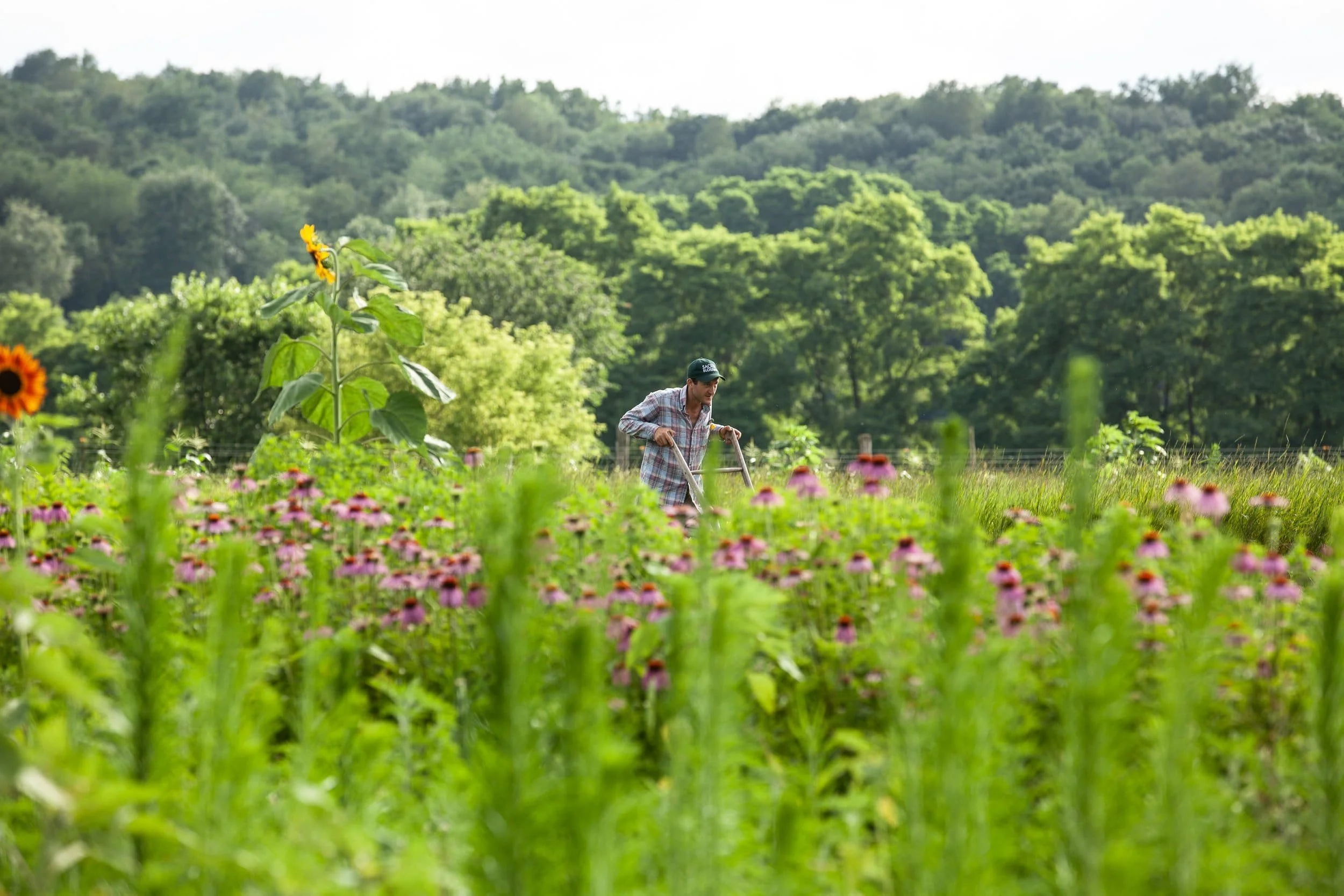
Sacred Blossom Farm | Mondovi, WI
When selecting teas and herbs, I encourage prioritizing organic, regional, and sustainable sources when possible. Plants are sensitive to their environments and reflect the conditions in which they’re grown. When cultivated ethically, without the heavy chemical inputs of industrial farming, they’re able to offer their fullest support. Choosing consciously grown herbs is a way of honoring both the plant, the planet, and ourselves.
Enjoy 10% off your first order at Sacred Blossom Farm with code HEALTHY10
All of the herbs highlighted in this post are generally well tolerated.
However:
Those with ragweed allergies should use chamomile cautiously.
Essential oils should be used properly diluted and not ingested unless under professional supervision.
If you are pregnant, nursing, taking sedatives, or managing chronic health conditions, consult a qualified practitioner.
As always, herbs support the body’s processes, they are not substitutes for medical evaluation when fatigue is severe or unexplained.
Herbs can create conditions of calm, but they cannot remove chronic stressors alone. Supporting the nervous system may also involve boundaries, therapy, rest, creativity, and community.

Tiernee Schatz, ATR-BC, LPC, NCC, CCTP
is a counselor and art therapist at Blue Pines Counseling, Holistic Arts Studio in Cedarburg, Wisconsin. She is a board certified art therapist, nationally certified licensed professional counselor with advanced training in nutritional psychiatry, and is a certified clinical trauma professional. Tiernee is currently a training herbalist at the Chestnut School of Herbal Medicine, focusing on herbs for the nervous system.
References
Davis, Amanda. “Stinging Nettles Medicinal Benefits & My Famous Nettles Pâté Recipe.” Chestnut School of Herbal Medicine, 30 Mar. 2022, chestnutherbs.com/stinging-nettles-medicinal-benefits-and-my-famous-nettles-pate-recipe/. Accessed 20 Feb. 2026.
Thomas, Pat, et al. Complete Healing & Natural Remedies. 2023.
Waller, Pip. Home Herbalist. Chartwell Books ed., North Atlantic Books, 2024.