Parts of You: Understanding Exiles in Internal Family Systems (IFS)
Written by Autumn Horn, ATR-P, LPC-IT | Art Therapy and Counseling in Cedarburg, WI
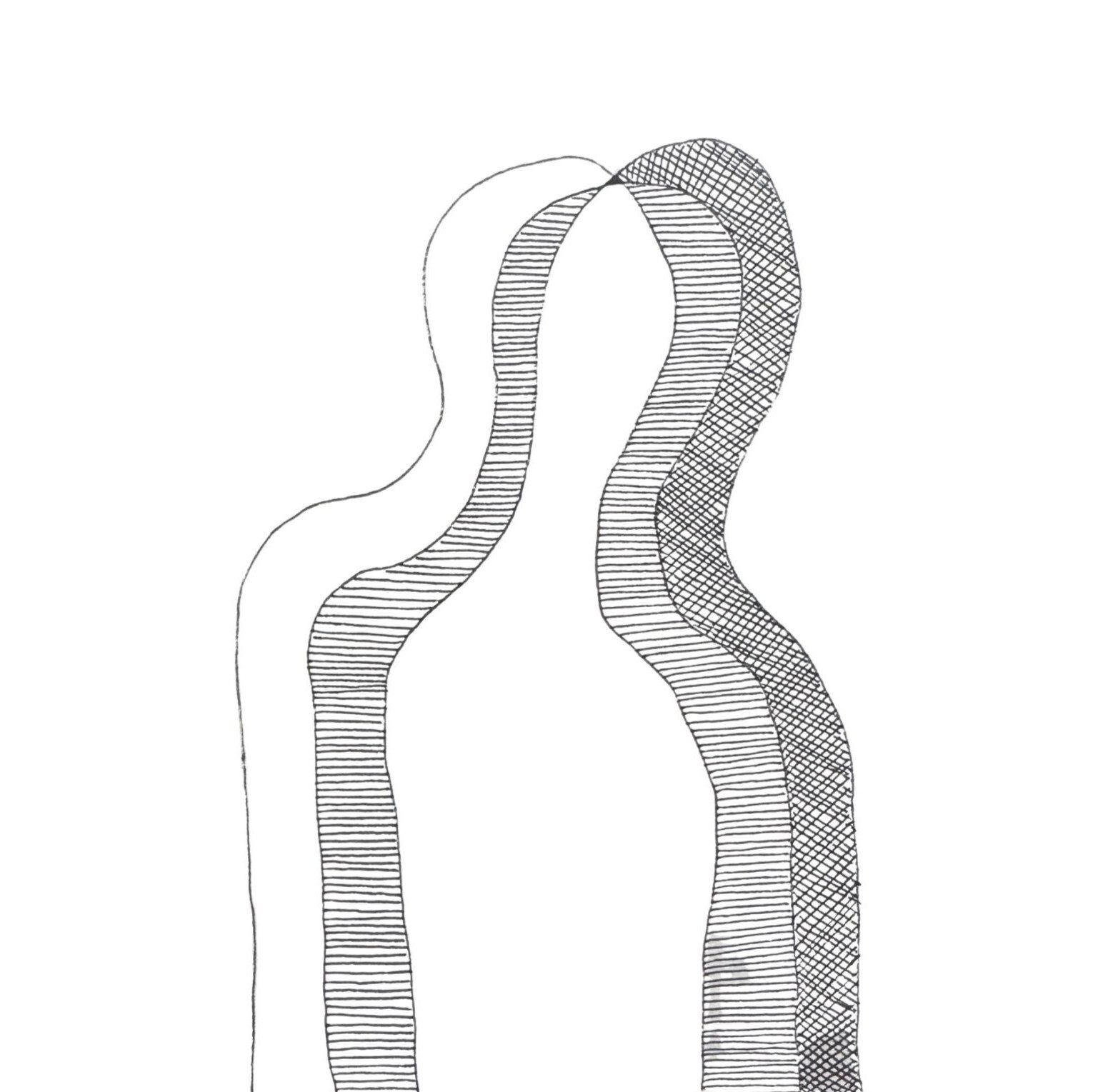
As we come to the final part of the internal family system, the Exiles, we begin to see how all the parts work together. All our parts serve an important purpose to our system. Sometimes they take on bad roles, but they are never bad parts. Some of them manage our daily life, some try to make strong emotions go away quickly, and at the center is in the Self, which holds the qualities like curiosity, calmness, and compassion.
In this post, we will explore Exiles in Internal Family Systems (IFS), the vulnerable parts of the inner system that carry painful experiences and emotions.
What Are Exiles in Internal Family Systems (IFS)?
Exiles are childlike, sensitive parts that hold intense emotions and memories related to painful experiences or trauma. These parts often carry feelings connected to neglect, rejection, lack of closeness and emotional attunement. Exiles may also hold emotions such as shame, fear, or loneliness.
For example, imagine a child who excitedly shows a drawing to their caregiver, but the caregiver responds with dismissal or ignores the child. The child may begin to believe their feelings or creativity are not important. Over time, the pain and vulnerability of that moment may become too overwhelming, and the inner system pushes those feelings away. The part of the child that feels unseen may become an Exile, carrying the sadness and belief that their voice and creativity do not matter.
Because the emotions of the Exiles are so intense, and experienced at a young age, the protectors step in to force the exile away and keep the system safe. Pushing these vulnerable parts away is an act of care from the protectors so that we don’t need to experience the intensity of the pain. As a result, Exiles become isolated within the system, holding the emotional burden from experiences.
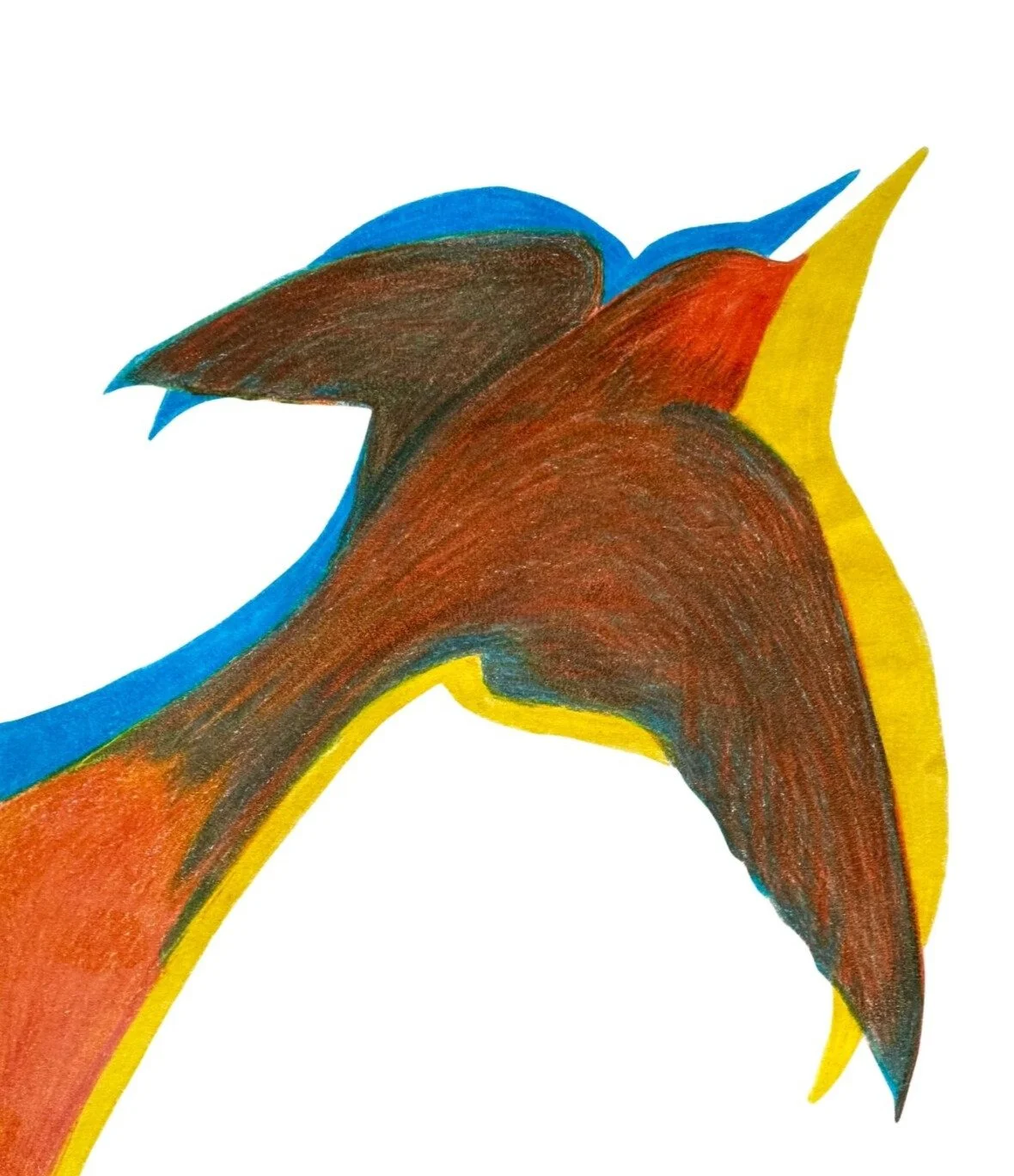
How Exiles Show Up in Internal Family Systems
Many Exiles feel frozen in time. They often remain at the age when the painful experience originally occurred. A person might have an exile that feels like a young child who felt unseen or alone, or an adolescent who experienced rejection or embarrassment. While exiles hold painful memories and emotions, they can also hold important qualities that become hidden along with the pain. When protectors force away the exiles, they also unintentionally lock away positive qualities like sensitivity, playfulness, creativity, openness, and presence.
In Internal Family Systems (IFS) theory, Exiles carry what are called burdens. A burden can take the form of painful core beliefs, emotions, or roles that the part had to carry alone.
Burdens can come from different sources:
Personal: beliefs from direct experience like “I am worthless”, “I am unlovable”, or “I am not good enough”
Cultural: Messages absorbed from dominant culture norms like worth, identity, or belonging
Legacy: Patterns and beliefs passed through families or communities like being strong at all times, silence or lack of acknowledgment of emotions, or who belongs in the family
No matter how hard protectors work to keep these parts hidden, Exiles still surface when something in the present reminds them of the past. Exiles may appear through memories, images, emotions, or physical sensations.
How IFS Therapy Helps Release Emotional Burdens
In IFS, healing doesn’t happen by forcing Exiles to disappear, something protectors may try to do. Instead, healing occurs when Exiles are given the space to share their stories and are witnessed with compassion and care from the Self. The exiles no longer have to feel alone.
To release a burden, it is important to first acknowledge and hear the concerns of the protectors. Protectors often worry that if the Exile’s pain is felt again, it will overwhelm the system. As protectors feel understood and safe enough to step back, they create space for the Self to gently connect with the Exile. In that connection, the Self can listen and witness the Exile’s story, witness their memories and emotions, and offer compassion. When Exiles feel truly seen and understood, something powerful can happen: the burdens they have carried for so long can begin to release.
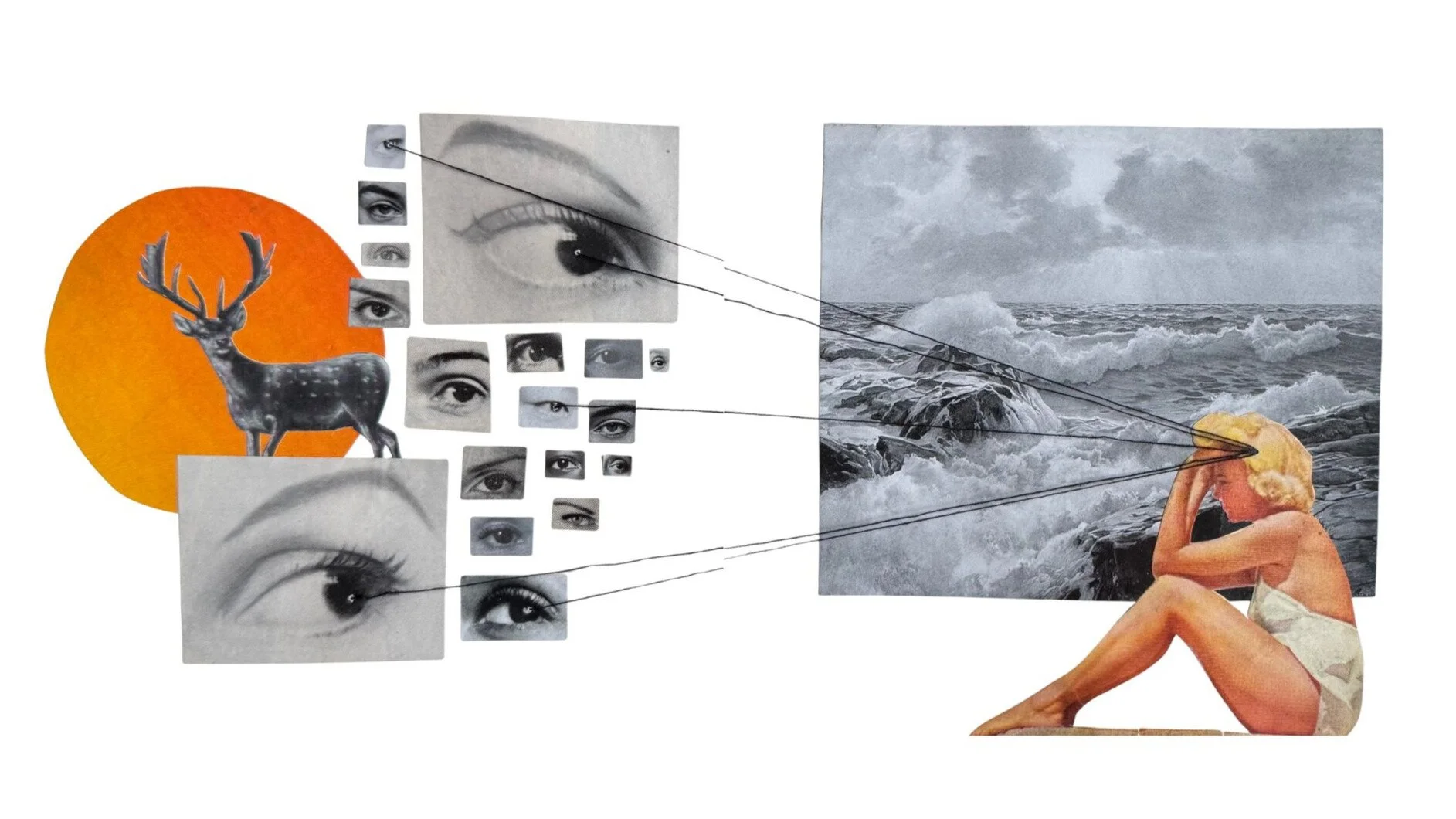
Collage by Autumn Horn
Healing Through Internal Family Systems Therapy
Although Exiles carry painful emotions and memories, they are also an essential part of the internal family system. These parts hold important pieces of our history, our vulnerability, and often where we find deep connection, creativity, and authentic emotional expression.
When Exiles are pushed away and not able to share their stories, the internal system can become dominated by protectors working hard to keep the pain and memories contained. While these protectors serve an important role, healing often begins when we gently create space to understand the Exiles they have been protecting.
Through connection and curiosity, Exiles are finally able to share their stories and feel witnessed with compassion. The system no longer has to work so hard to keep the pain hidden. Instead, the inner system can begin to move toward balance, connection, and healing.
Internal Family Systems can also be called parts work, helping people understand and build compassionate relationships with the different parts of themselves. If Internal Family Systems or parts work feels interesting or meaningful to you, therapy can be a supportive place to explore your inner system with guidance, care, and curiosity.

Curious about parts work and art therapy?
Autumn is an IFS-Informed therapist in Cedarburg, Wisconsin. She would love to connect with you to start your own parts journey. Together, through art, curiosity, and exploration, your parts can share their story and be witnessed to bring healing
References:
Schwartz, R. C. (2023). Introduction to internal family systems (2nd ed.). Sounds True.
IFS Learning Hub. (2025). IFS Online Circle [Online training program]. https://learn.ifs-institute.com/programs/fall-2025-ifs-online-circle/
If you’re new to Internal Family Systems, you may want to start with the first post in this series
