What Is Art Therapy? A Guide to How It Works and Who It Can Help
Written bY Tiernee Schatz, ATR-BC, LPC, NCC, CCTP | Art Therapy and Counseling in Cedarburg, WI
“What is art therapy and do I have to be good at art to try it?”
Art therapy is a form of mental health treatment that incorporates art-making and the creative process into psychotherapy. Rather than focusing on creating a beautiful or technically impressive finished product, art therapy uses creative expression as another way to explore emotions, experiences, relationships, and personal challenges. And no, you don't need to know how to draw.
You don't need an art degree, a portfolio, or even consider yourself a “creative person.” In art therapy, the process matters much more than the finished artwork.
For some people, words come easily in therapy. For others, it can be difficult to explain exactly what they're feeling or where an experience lives inside them. Art can provide another avenue for expression. One that doesn't require finding the perfect words first.
At Blue Pines Counseling, art therapy can be incorporated into therapy based on each client's individual needs, experiences, and goals. It may be particularly helpful for people who want to explore their inner experiences in a way that includes creativity, imagery, and nonverbal expression.

What Is Art Therapy?
The American Art Therapy Association (AATA) defines art therapy as a mental health profession that combines active art-making, the creative process, psychological theory, and the therapeutic relationship. Art therapists are trained mental health professionals who use art materials and creative processes as part of therapeutic work.
In practice, that means art therapy isn't simply sitting down and coloring for relaxation. It is a therapeutic process facilitated by a trained professional.
The artwork itself doesn't have to be “good,” beautiful, or even make sense to anyone else. Instead, the process of creating can give you an opportunity to slow down, notice what's happening internally, experiment with different forms of expression, and explore experiences that may be difficult to put into words.
Sometimes the most important part of an art therapy session isn't what you create. It's what you notice while you're creating it.
How Does Art Therapy Work?
One of the things that makes art therapy different from traditional talk therapy is that it gives you another way to communicate and explore your experiences.
Our internal experiences aren't always easy to describe verbally. Sometimes we know that something feels wrong before we know how to explain why. Sometimes an emotion is complicated, contradictory, or difficult to put into a sentence.
Creative expression can provide another language for those experiences.
An art therapist may invite you to work with materials such as drawing, painting, collage, clay, or other creative media. The specific activity will depend on your needs and therapeutic goals. AATA describes art therapy as incorporating sensory, perceptual, symbolic, and kinesthetic opportunities that can provide alternatives to verbal expression.
After or during the creative process, you and your therapist may talk about things such as:
What you noticed while creating
Emotions or sensations that came up
What certain colors, shapes, images, or materials mean to you
Memories or associations connected to the artwork
What surprised you about the process
How the experience connects to something you're working through in therapy
Your therapist isn't there to “decode” your artwork or tell you what your picture objectively means. Instead, the process is collaborative. Your own experiences, associations, and interpretations are important to developing insight and self-knowledge.
What Happens During an Art Therapy Session?
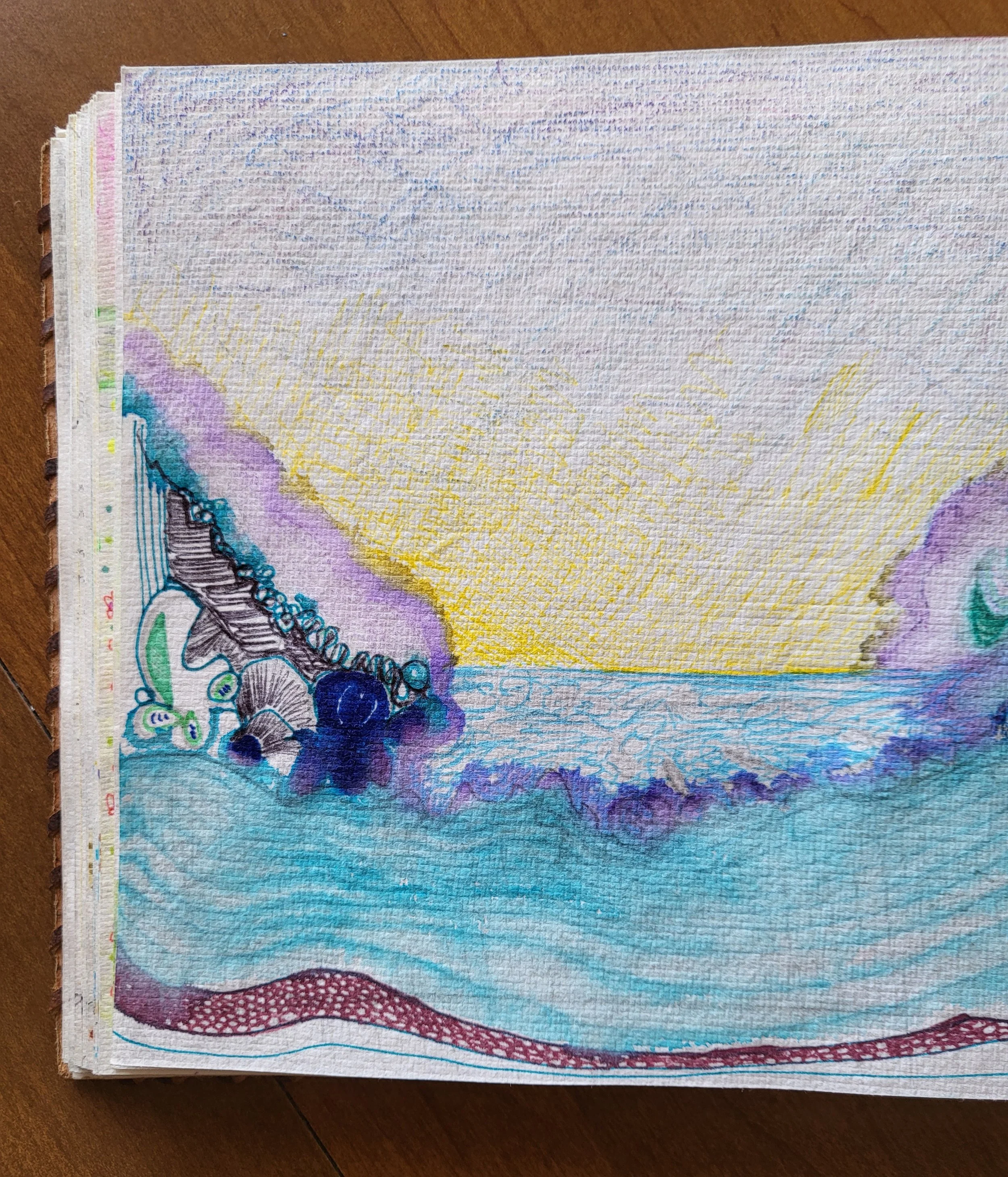
If you've never experienced art therapy before, you might wonder what actually happens when you walk into a session. There isn't one standard art therapy activity that everyone does. A session can look different depending on the person, the therapist, and what you're working toward. A session might include:
Checking in
You and your therapist begin by talking about how you're doing and what feels important that day.
Identifying a focus
Together, you may identify something you'd like to explore. This could be an emotion, relationship, life transition, stressful experience, recurring thought, or something that has been difficult to put into words.
Creating
Your therapist may offer a creative prompt or invite you to choose materials and begin creating. This might involve drawing, painting, collage, clay, or another medium.
You don't have to know exactly what you're going to make before you begin.
Reflecting
After creating, you may spend time noticing what the experience was like for you.
What did you notice? What emotions came up? Did anything surprise you? Did the process feel easy, uncomfortable, calming, frustrating, meaningful, or something else entirely?
Connecting the experience to therapy
The artwork and creative process can then become a starting point for deeper therapeutic exploration.
The goal isn't necessarily to produce a finished piece of art. The goal is to use the creative process in service of your therapeutic work.
What Are the Benefits of Art Therapy?
Art therapy can be used to support a variety of therapeutic goals. The American Art Therapy Association describes art therapy as being used to support areas including self-esteem and self-awareness, emotional resilience, insight, social skills, and the reduction of distress and conflict.
Emotional expression
Sometimes emotions are easier to experience or communicate visually than verbally. Art can provide another avenue for expressing something you may not yet have words for.
Self-awareness
Creating and reflecting can help you slow down and notice patterns, emotions, perspectives, and internal experiences that might otherwise go unnoticed.
Exploring difficult experiences
Creative expression can provide another way to approach complicated or painful experiences while working within a supportive therapeutic relationship.
Coping with stress and life changes
Art therapy may be incorporated into treatment when someone is navigating grief, major life transitions, illness, relationship challenges, or other sources of distress.
Building insight
The creative process can sometimes reveal unexpected associations or perspectives. Exploring those discoveries with a therapist can become part of deeper therapeutic work.
It's important to remember that art therapy isn't a one-size-fits-all treatment. What is helpful for one person may not be helpful for another, and your therapist should tailor the approach to your individual circumstances and goals.

Can Art Therapy Help With Trauma?
Art therapy can be incorporated into trauma-focused therapy, and this is one area where creative expression may be particularly meaningful. When someone has experienced trauma, talking about what happened isn't always the easiest or most comfortable way to begin therapeutic work. A person may have difficulty finding words for what they experienced, or they may not feel ready to describe certain details.
Art therapy can provide another way to approach difficult experiences. Instead of immediately requiring you to explain everything verbally, creative work can offer opportunities to explore emotions, images, sensations, memories, and personal meaning at a pace that can be discussed collaboratively with your therapist.
Importantly, art therapy doesn't mean that you have to create a literal picture of your trauma or disclose details you're not ready to discuss.
The creative process can be adapted to the individual and used alongside other therapeutic approaches. Research continues to examine the role of visual arts and art therapy in trauma-related care, including outcomes related to post-traumatic stress and psychological wellbeing. The evidence base is still developing, and results vary depending on the population, intervention, and study design.
Is Art Therapy Only for Trauma?
No.
Trauma is one area where art therapy can be incorporated into treatment, but it is much broader than trauma therapy. Art therapists work with people across the lifespan and in a variety of settings, including private practices, hospitals, schools, psychiatric facilities, rehabilitation settings, and community programs.
Depending on the individual, art therapy may be incorporated into work involving:
Anxiety
Depression
Grief and loss
Life transitions
Stress
Relationships
Self-esteem
Emotional regulation
Identity and self-exploration
Difficult or overwhelming experiences
The question isn't necessarily, “Is my problem serious enough for art therapy?” A better question may be, “Would having another way to explore and express my experiences be useful to me?”

Do You Have to Be Good at Art to Do Art Therapy?
Absolutely not.
This is probably one of the biggest misconceptions about art therapy. If you're thinking, “I can't draw,” you're not alone. Art therapy isn't an art class. There are no grades, competitions, or expectations that your artwork needs to look a certain way. You might draw stick figures. You might make abstract shapes. You might work with colors, collage, clay, scribbles, patterns, or something else entirely. The American Art Therapy Association specifically notes that people do not need to be artists or “artsy” to participate in art therapy. You don't have to know what you're making before you start. And you don't have to create something that anyone else would consider beautiful.
The creative process is the important part.
What Types of Art Are Used in Art Therapy?
Art therapy isn't limited to drawing or painting.
Depending on the therapist's training and your therapeutic goals, creative work might include:
Drawing
Painting
Collage
Clay or other sculptural materials
Mixed media
Doodling
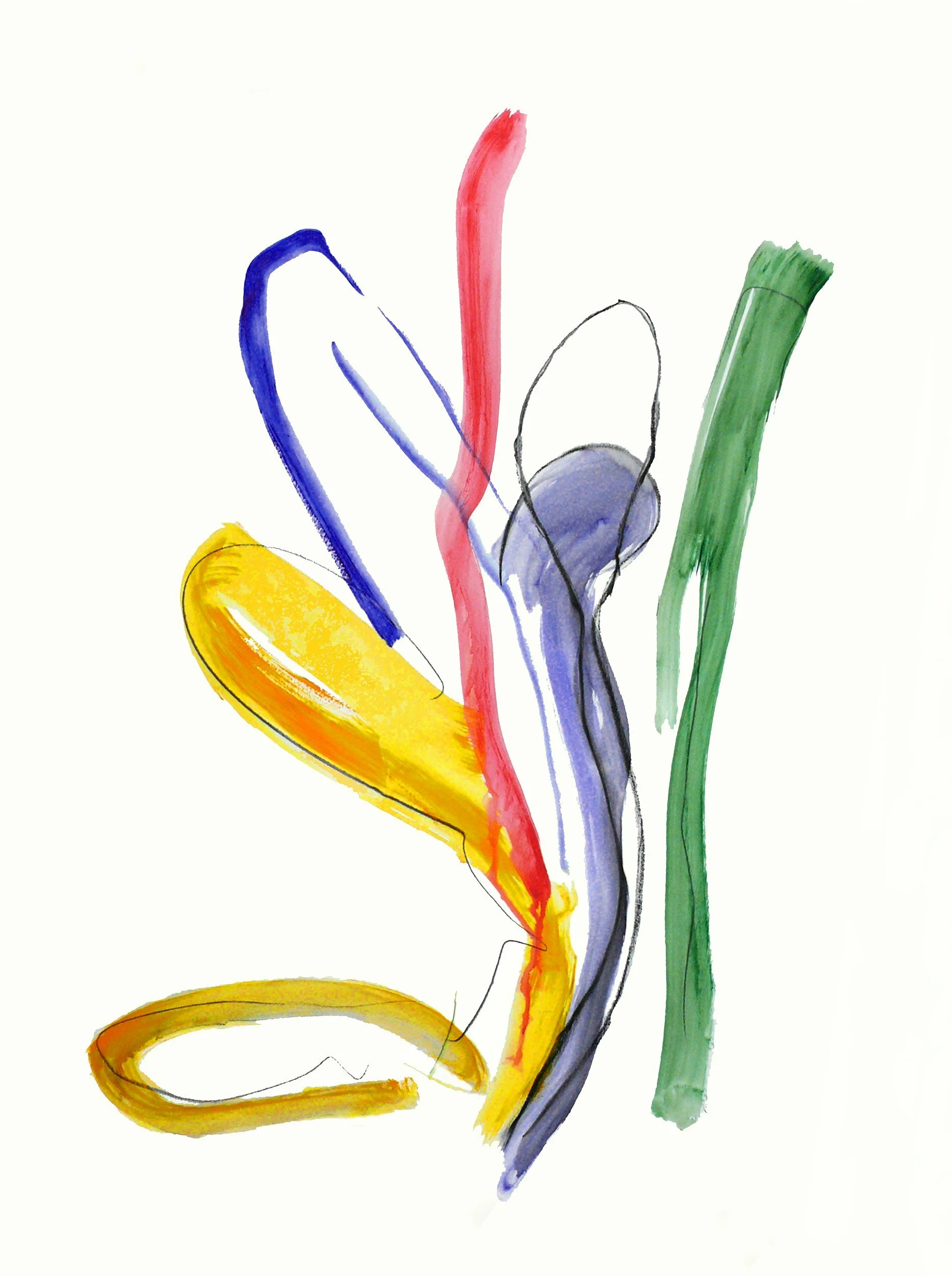
Abstract art
Pattern-making
Working with natural or found materials
Other forms of visual creative expression
Different materials can create different sensory experiences, and some people naturally connect with one medium more than another. You may also be invited to experiment with a medium you're unfamiliar with.
What's the Difference Between Art Therapy and Making Art?
This is an important question to ask!
Making art can be a wonderful form of self-expression, relaxation, or recreation. You don't need a therapist to benefit from being creative. But art-making and art therapy aren't the same thing.
Art therapy is a professional mental health service facilitated by a trained and board certified art therapist within a therapeutic relationship. The creative process is intentionally incorporated into psychotherapy to support therapeutic goals.
For example, coloring in a coloring book may be relaxing and enjoyable. That doesn't automatically make it art therapy. Similarly, creating a painting at home may help you process an emotion. That can be a meaningful personal experience, but it isn't the same as participating in art therapy with a trained professional.
Who Can Benefit From Art Therapy?
Art therapy can be used with people of different ages and backgrounds. AATA notes that art therapists work with individuals across the lifespan and in individual, family, couple, and group settings. At Blue Pines Counseling, art therapy may be a good fit if you're interested in exploring yourself through a combination of conversation and creative expression.
You might be someone who:
Has a hard time finding words for what you're feeling
Wants to explore experiences from a different perspective
Is navigating trauma or difficult life experiences
Is experiencing anxiety, depression, grief, or stress
Enjoys creative activities but hasn't considered bringing creativity into therapy
Wants therapy to feel more experiential and less focused exclusively on talking
Is curious about what creative expression might reveal about your internal experience
You don't have to arrive knowing exactly why art therapy appeals to you. Being curious can be enough of a place to start.
What Does an Art Therapist Do?
An art therapist is a trained mental health professional who has education in both art and therapy. The American Art Therapy Association states that art therapists have master's-level or higher education and specialized training in psychological theory, art materials, creative processes, and therapeutic practice. A professional art therapist isn't simply teaching you how to paint or asking you to draw your feelings. They are providing a therapeutic relationship and using creative processes intentionally as part of mental health treatment. When choosing an art therapist, it's reasonable to ask about their education, credentials, clinical experience, and approach to therapy.
What If I'm Nervous About Trying Art Therapy?
It's completely understandable to feel unsure about something unfamiliar.
You might be wondering:
What if I don't know what to make?
What if my art looks terrible?
What if I don't like it?
What if creating something brings up an emotion I wasn't expecting?
Those are all things you can talk about with your therapist. You aren't expected to perform. You aren't expected to create something meaningful on demand. And you aren't expected to know what an image means before you make it. Art therapy is a collaborative process. Your therapist can help you understand what feels comfortable, explore what comes up, and adjust the approach to fit your needs.
Could Art Therapy Be Right for You?
You don't have to be an artist to benefit from art therapy. You don't have to know exactly what you want to explore. And you don't have to have the “right” words before you begin. Sometimes therapy starts with a conversation. Sometimes it starts with a question. And sometimes it starts with putting something down on paper and seeing what happens.
At Blue Pines Counseling, art therapy can be incorporated into a compassionate, individualized therapeutic approach designed around your needs and goals. If you're curious about whether art therapy might be a good fit for you, we invite you to reach out and schedule a consultation.
Frequently Asked Questions About Art Therapy
-
Art therapy is an established mental health profession, and research continues to examine its effectiveness across different populations, settings, and mental health concerns. Studies have explored art therapy and visual arts interventions in areas including anxiety, depression, trauma, medical care, and wellbeing.
The strength of evidence varies depending on the specific intervention and population, so it's important to avoid treating art therapy as a universal solution. Your therapist can help determine whether incorporating creative approaches makes sense within your overall treatment plan.
-
No. You don't need artistic training or experience. Art therapy focuses on the therapeutic process rather than artistic skill.
-
No. Art therapists work with all ages. At Blue Pines Counseling we incorporate art therapy in our teen and individual adult sessions.
-
No. Art therapy can be incorporated into therapeutic work involving many different concerns and goals, including emotional expression, self-awareness, grief, stress, relationships, and life transitions.
-
Not in the sense of assigning a universal meaning to a particular color, shape, or image.
Instead, your therapist may invite you to explore what the artwork means to you, what you noticed during the process, and what connections you make between the creative experience and your life.
-
That's okay.
You don't need to arrive with an idea. Your therapist can offer a prompt or help you find a starting point based on what you're experiencing.
-
Art therapy still takes place within a therapeutic relationship, so conversation may be part of the process. However, the creative process can provide another avenue for exploration when words are difficult.
You and your therapist can discuss what feels comfortable and appropriate for your treatment.

Tiernee Schatz, ATR-BC, LPC, NCC, CCTP
Are you curious what art therapy could do for you and your personal growth goals?
Tiernee specializes in working with teens and adults navigating anxiety, trauma, and relationship issues.
Reach out to Tiernee today to schedule a complimentary consultation.